K-12 Refrigeration Resources
Practical tools and expert insights to help school nutrition teams maintain safe, reliable refrigeration.
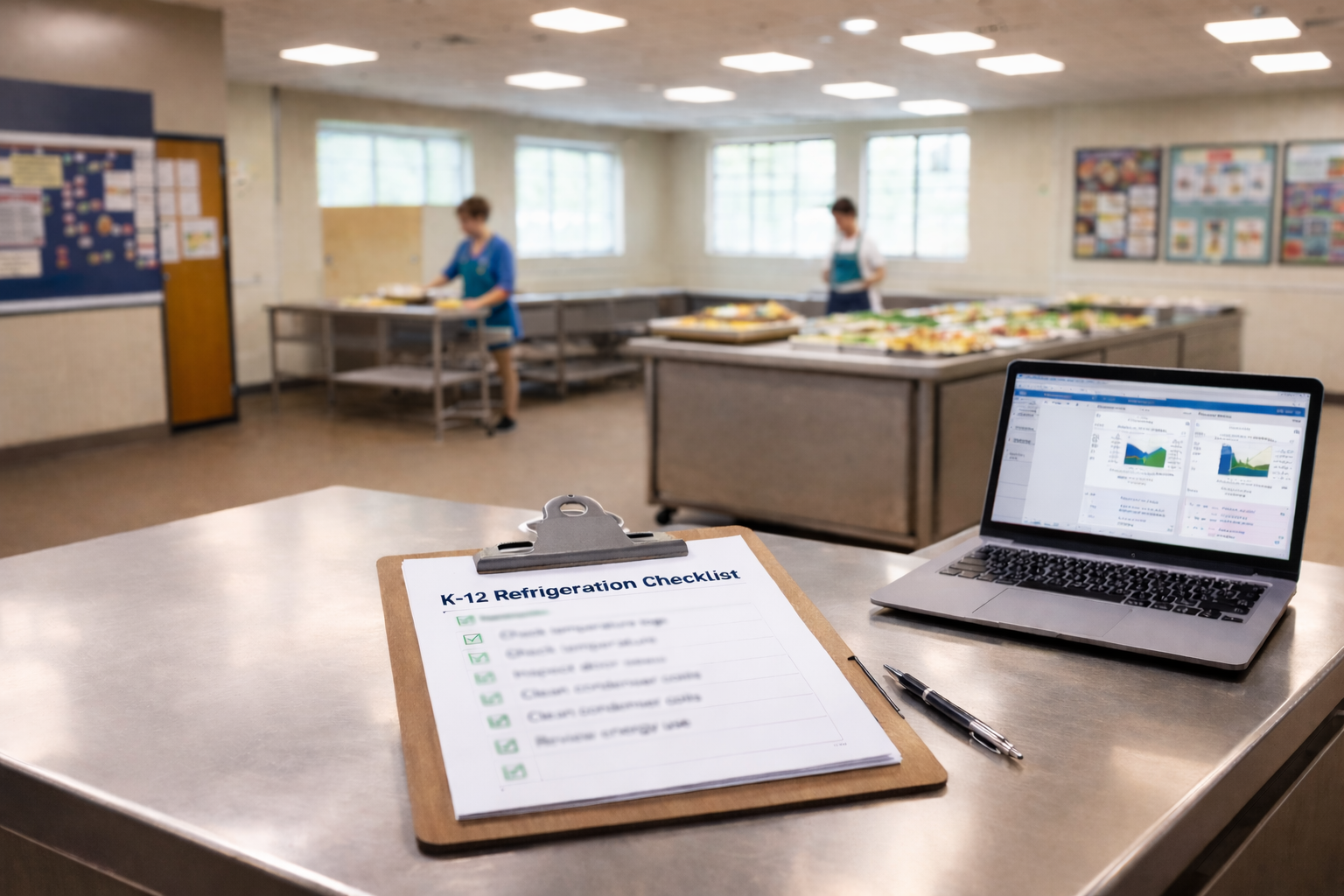
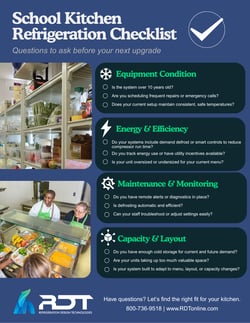
School Kitchen Refrigeration Checklist
Know what to evaluate before your
next upgrade.
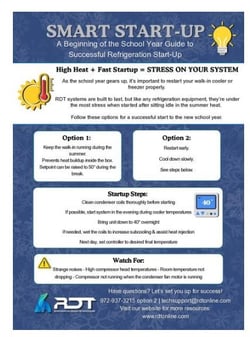
Walk-In Startup Guide For Schools
Help ensure systems restart safely after summer shutdown.
Featured Insights
YOU MAY ALSO FIND THIS USEFUL
VIDEOS, ARTICLES, WARRANTY & SUPPORT
Explore free training and technical support resources for RDT equipment to build your skills in installation, maintenance, and troubleshooting with expert guidance.
A2L FAQS AND TECHNICAL GUIDANCE
Visit our A2L Resources page to get all the necessary up-to-date information on A2L refrigerants.
TIPS FOR LOWERING ENERGY COSTS
Save on utilities with this important energy-saving resource from RDT.
UNDERSTANDING REMOTE REFRIGERATION
How remote refrigeration monitoring makes life easier.
COST-CUTTING TIPS
Food waste is an expensive challenge for foodservice operations. But it doesn't have to be.
COMPANY FAQS
Find quick answers to the most common questions about RDT products, services, and support.
FREQUENTLY ASKED QUESTIONS (FAQS)
What causes temperature instability in school kitchens?
Temperature instability in school kitchen refrigeration systems can stem from several factors.
In many K-12 environments, refrigeration systems also experience seasonal shutdowns, rapid load changes, and inconsistent maintenance schedules.
Understanding the early warning signs and root causes can help facilities teams correct problems before they lead to downtime or product loss.
Learn more in our Featured Blog "Smarter Cold: How Schools Can Future-Proof Their Refrigeration"
How often should I perform preventative maintenance in a school kitchen?
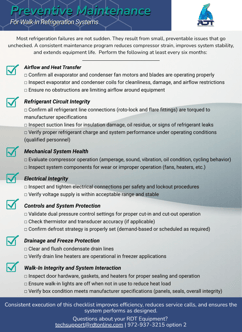
Preventative maintenance is essential for keeping refrigeration systems reliable throughout the school year.
In most K-12 environments, systems should be inspected and serviced at least twice per year—once before peak usage periods and once after extended shutdowns such as summer break.
Maintenance tasks typically include cleaning condenser coils, checking fan motors, verifying temperature controls, inspecting door seals, and ensuring proper refrigerant charge.
Regular maintenance helps reduce energy consumption, extend equipment lifespan, and prevent unexpected failures during busy meal service periods.
Download the Refrigeration Maintenance Quick Guide for a simple maintenance checklist.
What are the common warning signs that a refrigeration system might fail?
Refrigeration systems often show warning signs before a major failure occurs.
Facilities teams should watch for symptoms such as inconsistent temperatures, longer compressor run times, unusual noises, frost buildup on evaporator coils, or alarms from system controls. Increased energy usage or frequent cycling can also indicate that a system is struggling to maintain proper cooling performance.
Identifying these signals early allows teams to investigate the issue and schedule maintenance before the system fails completely—reducing downtime and protecting food safety.
Read our Blog on Identifying Refrigeration System Failures Early.
Can RDT help if I have questions about my school kitchen refrigeration?
Yes! RDT works with school kitchens, facilities teams, and foodservice consultants every day to help ensure refrigeration systems operate safely and efficiently.
Whether you’re troubleshooting a temperature issue, planning an equipment upgrade, or trying to understand new refrigerant requirements, our team can help guide you toward the right solution.
We believe in sharing practical knowledge that helps schools keep systems running reliably and avoid costly downtime.
If you have questions about your refrigeration system or need expert guidance, contact the RDT team and we’ll be happy to help.
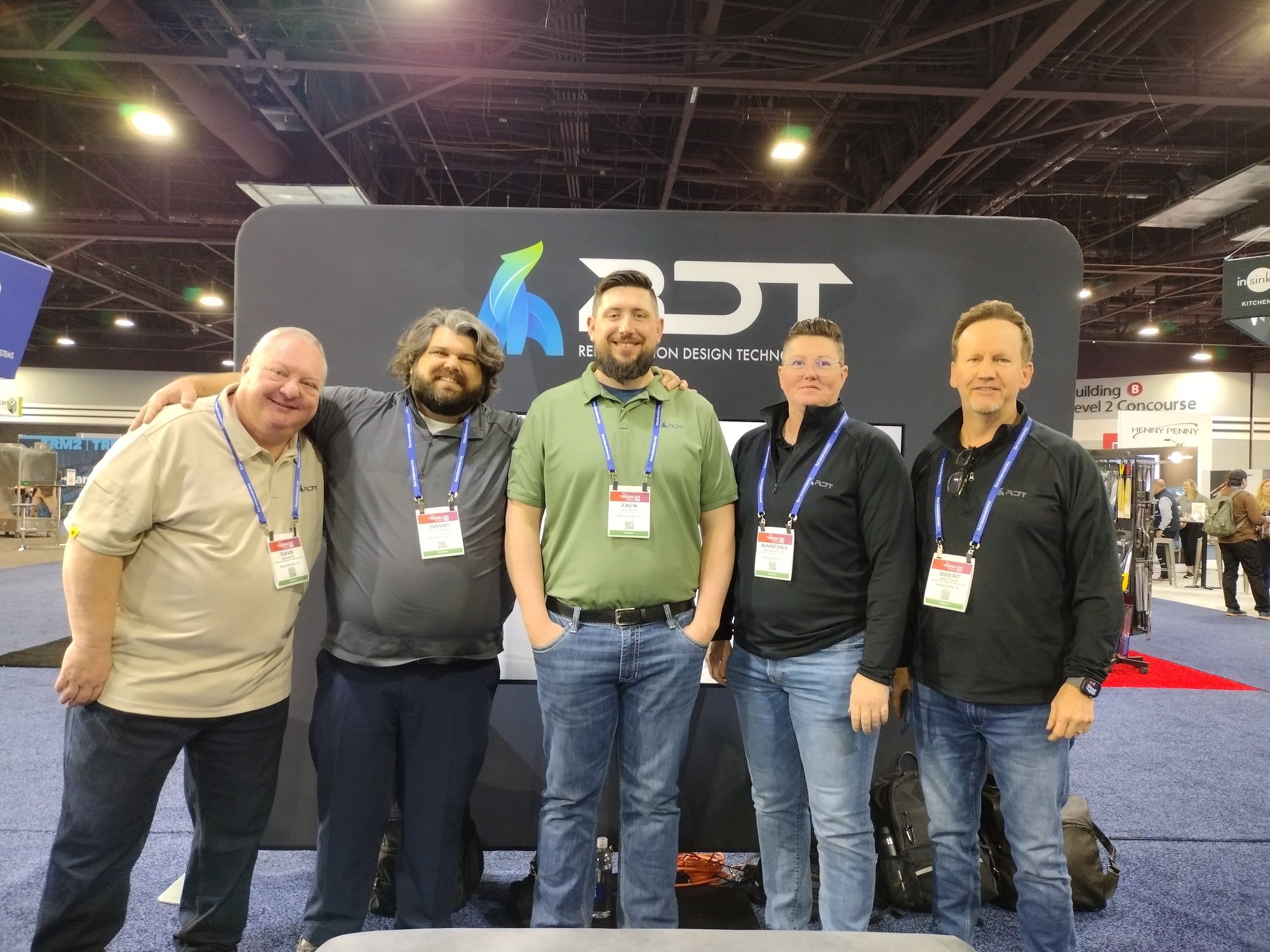
Meet RDT
Come chat with us at these upcoming events!
NAFEM - Orlando, FL - February 11-13, 2027
Have a Refrigeration Question?
Our team supports school kitchens every day. Whether you're planning a project or troubleshooting a system, we're here to help.